
Salt Air and Your Sliding Glass Door
What salt does to your door, and how to keep it running smoothly on the coast
By Eric Gregory, 15 years at Complete Sliding Doors · Updated October 15, 2026
- Free Estimates
- Same Day Service
- Warranties
- Licensed & Insured
What Salt Air Does to a Sliding Door
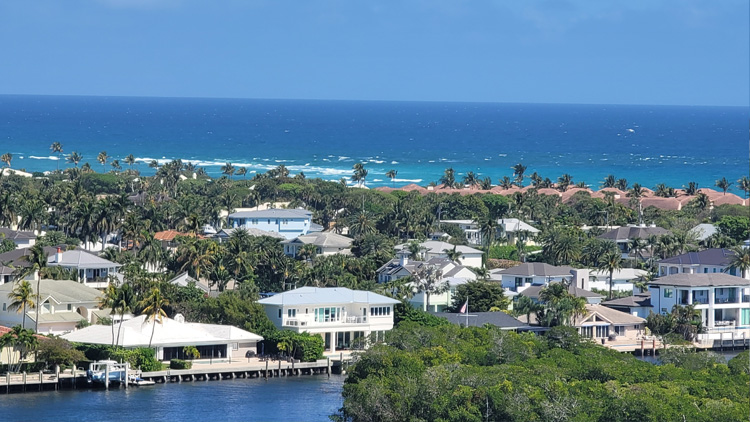
If you live near the ocean or the Intracoastal, your sliding door is fighting salt every day.
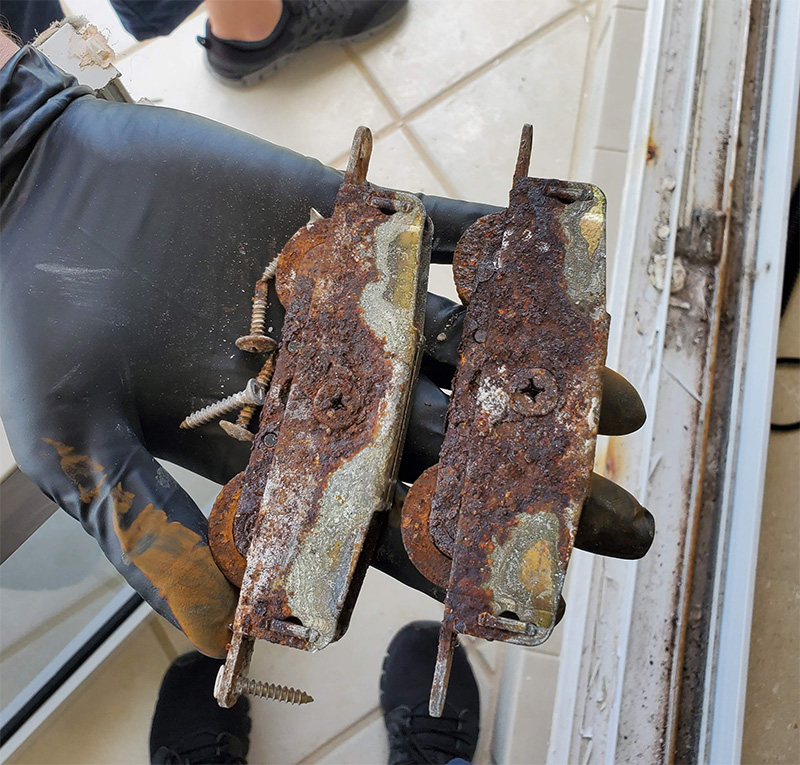
- Rollers: standard steel rollers rust, seize up and can fuse to the frame. Once that happens, the door drags on the track and wears it down.
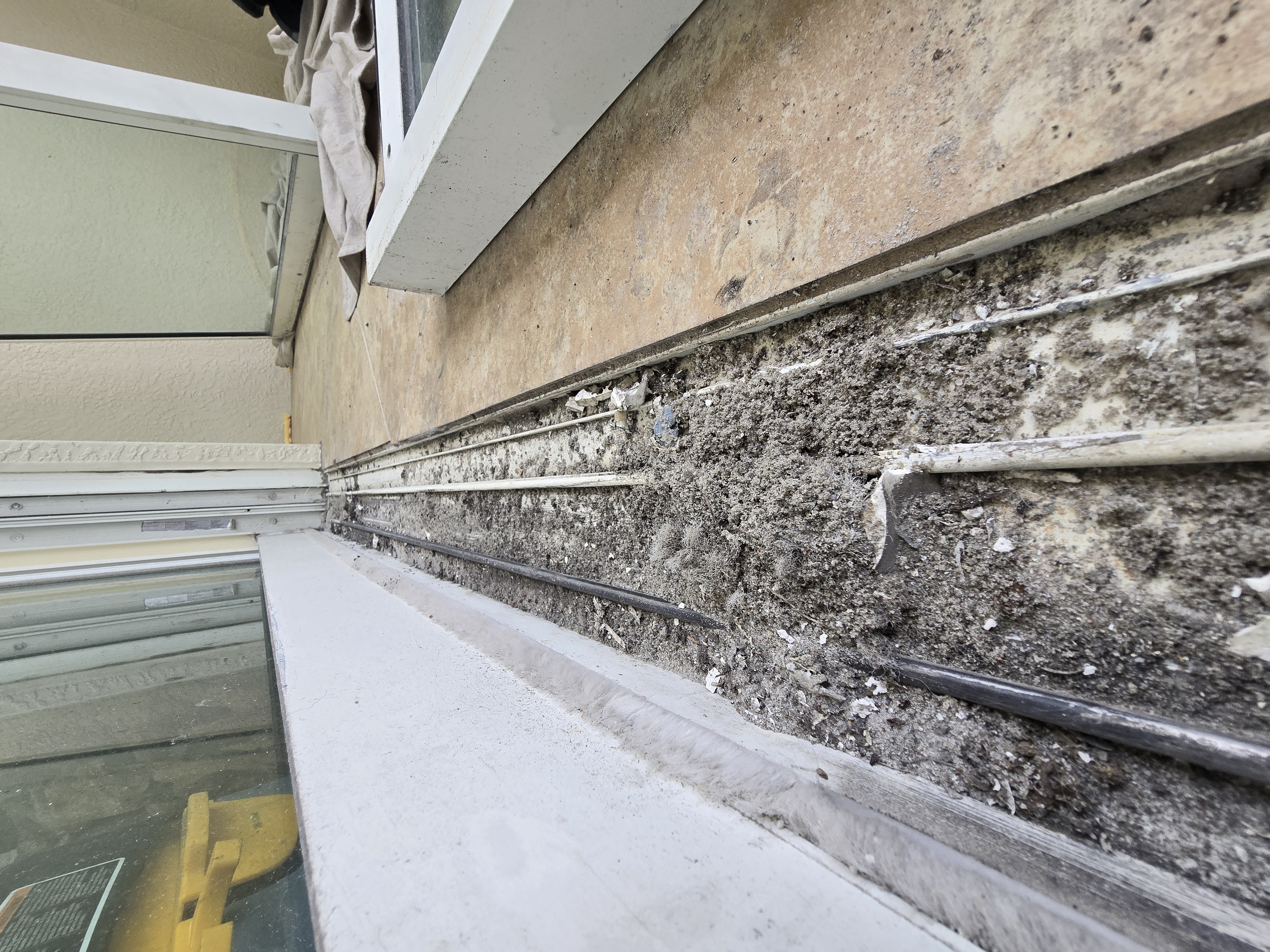
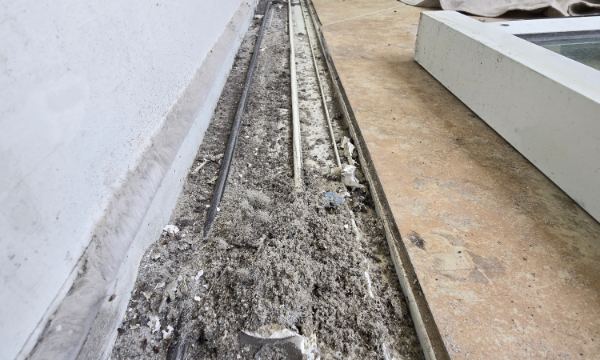
- Track: salt mixed with sand becomes an abrasive paste that pits aluminum tracks.
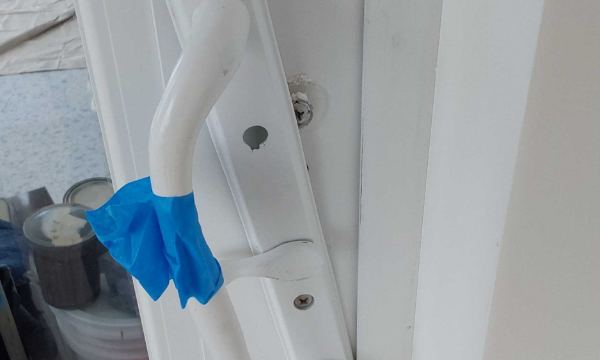
- Locks and handles: corrosion makes locks stick or stop latching.
- Screen doors: salt and sun break down the mesh and the screen rollers.
Steel vs. Stainless Steel Rollers
This is the most important choice for a coastal home. Steel rollers are cheaper, but in salt air they corrode and can melt into the frame. Stainless steel rollers resist corrosion, and sealed bearings keep salt and sand out.
On the coast, stainless sealed rollers usually last much longer. We can usually still remove a roller that has fused to the frame, but steel that rusts long enough can damage the frame, and that turns a repair into a replacement.
Even stainless parts need periodic cleaning in coastal areas to last as long as possible.
How to Protect Your Door
- Rinse the track and the outside frame with fresh water every few weeks. Monthly at minimum on the beach.
- Clean the track every 3 months (see our track cleaning guide).
- Use an aluminum wax spray, never oil or grease. Skip silicone too: it leaves a residue that collects dirt and dust.
- Keep weep holes clear so salt water drains out.
- Work the locks a few times a month so they don’t seize up.
- Away for the season? Doors that sit closed for months tend to seize. Service contracts keep doors maintained year-round.
Signs Salt Has Already Done Damage
- White powdery buildup on the frame
- Rust-colored streaks near the rollers
- A grinding sound
- A door that sticks in one spot
- A lock that won’t latch
- Pitting or corrosion along the track
If you’re seeing any of these, cleaning alone usually won’t fix it. The rollers or hardware need to be replaced.
A pitted track can usually be fixed without replacing the door: we install a new cap track over the old rail, or a heavy-duty screw-down track for heavier impact doors. Sliding door track repair →
Built for the Coast
Ask about stainless sealed rollers for coastal homes. We service all brands of sliding glass doors from Brevard to Broward.

Contact Us Today
The Estimate is Always Free
Why Homeowners Trust Us
400+  Google Reviews:
We didn’t pay for those stars. They’re the honest voices of our satisfied customers who value our commitment to quality and service.
Salt Air FAQ
How does salt air affect sliding glass doors?
It corrodes steel rollers, pits aluminum tracks and makes locks stick. Over time the door gets heavy and can seize up.
What are the best rollers for a beach house?
Stainless steel rollers with sealed bearings. They resist corrosion and keep sand and salt out.
How often should I rinse my sliding door near the beach?
Every few weeks, and at least monthly.
Can corroded rollers be replaced?
Yes. We replace corroded rollers on all brands. If a roller has fused to the frame, we can usually still remove it.
What should I use on my sliding door track near the beach?
An aluminum wax spray. Skip WD-40, grease and oil, which trap sand and wear out the rollers, and skip silicone sprays, which leave a residue that collects dirt and dust.
Can a corroded or pitted track be repaired?
Usually, yes. We install a new cap track over the old rail, or a heavy-duty screw-down track for heavier impact doors, without replacing the door or the frame.
Salt Got to Your Door?
We fix corroded rollers, tracks and locks every day. Call 561-822-5444 (Mon–Fri 8am–5pm, Saturdays by request) or book online for your free estimate.